🚗
55 New Vehicles Added This Week | Browse New Arrivals ›


 Español
 Русский
 Українська
 Polski


Are you thinking about buying a salvage vehicle? It's important to know the salvage laws in each state before making your purchase. Understanding state-specific salvage title regulations, inspection requirements, and titling processes can help you navigate the complexities of buying and registering a salvage vehicle. If you need further assistance, please visit our Contact Page.
This includes salvage title requirements, inspection rules, and how to register a rebuilt title vehicle in your state.
This page provides a complete guide to salvage title laws by state, including how to register, inspect, and convert a salvage title into a rebuilt title.
A salvage title is a branded vehicle title generally issued when a vehicle has been declared a total loss or has sustained damage that meets a state's definition of a salvage vehicle. The exact definition and threshold for issuing a salvage title vary by state. A vehicle with a salvage title usually cannot be registered for normal road use until it has been repaired and completed the required state process for obtaining a rebuilt or reconstructed title.
Registration requirements for salvage vehicles vary by state. In many states, a vehicle with an active salvage title cannot be registered for normal road use until repairs are completed and the vehicle satisfies the state's inspection, documentation, and rebuilt title requirements. Depending on the state, owners may need to provide repair receipts, photographs, documentation for replacement parts, identification, and other forms before a rebuilt or reconstructed title can be issued.
The process for converting a salvage title to a rebuilt or reconstructed title depends on the state. Generally, the vehicle must first be repaired and then complete any required salvage or rebuilt vehicle inspection. Owners may also need to submit the salvage title, repair receipts, parts documentation, photographs, application forms, and applicable fees. Once the vehicle meets the state's requirements, it may qualify for a rebuilt or reconstructed title and registration for road use.
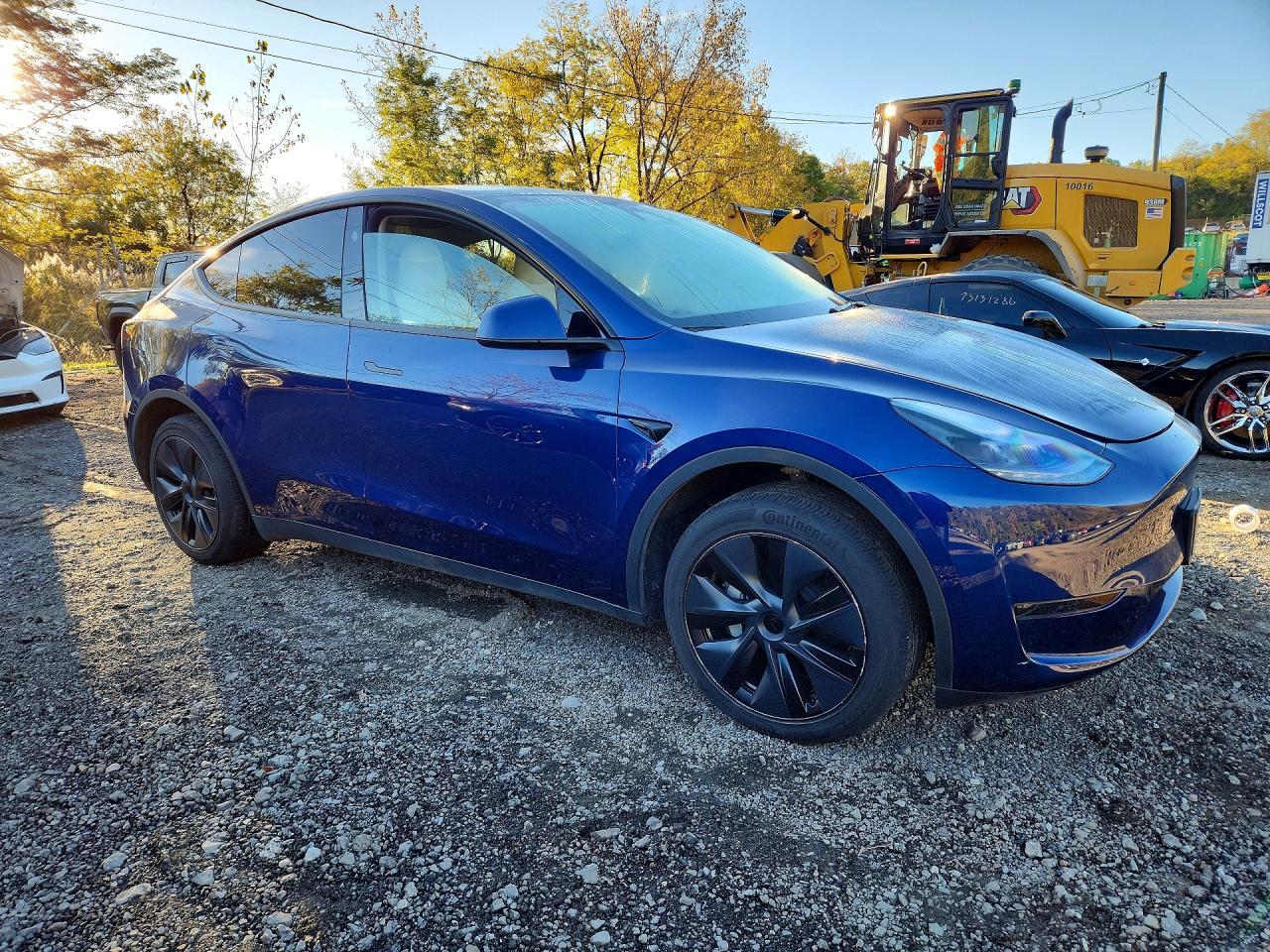
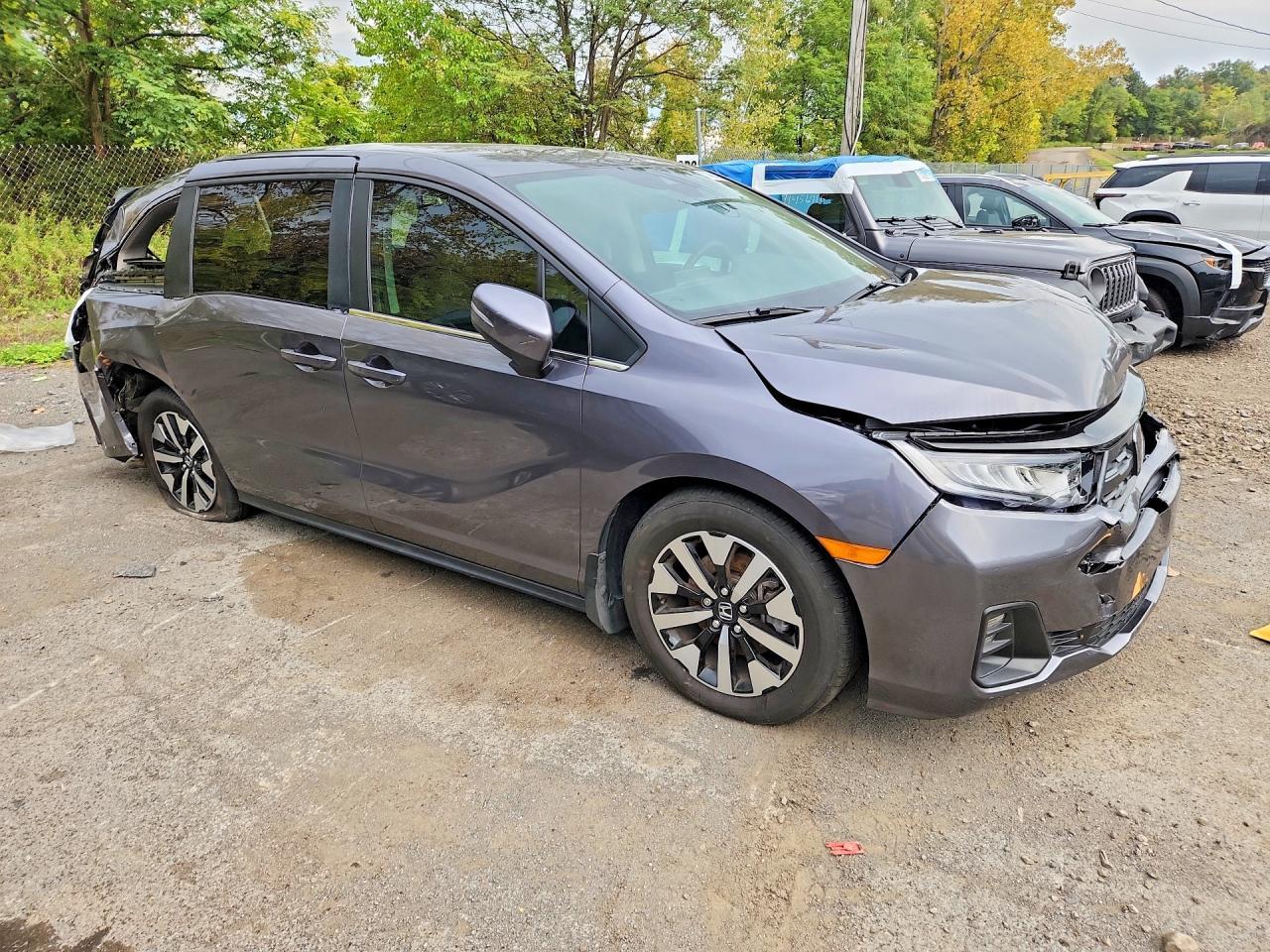
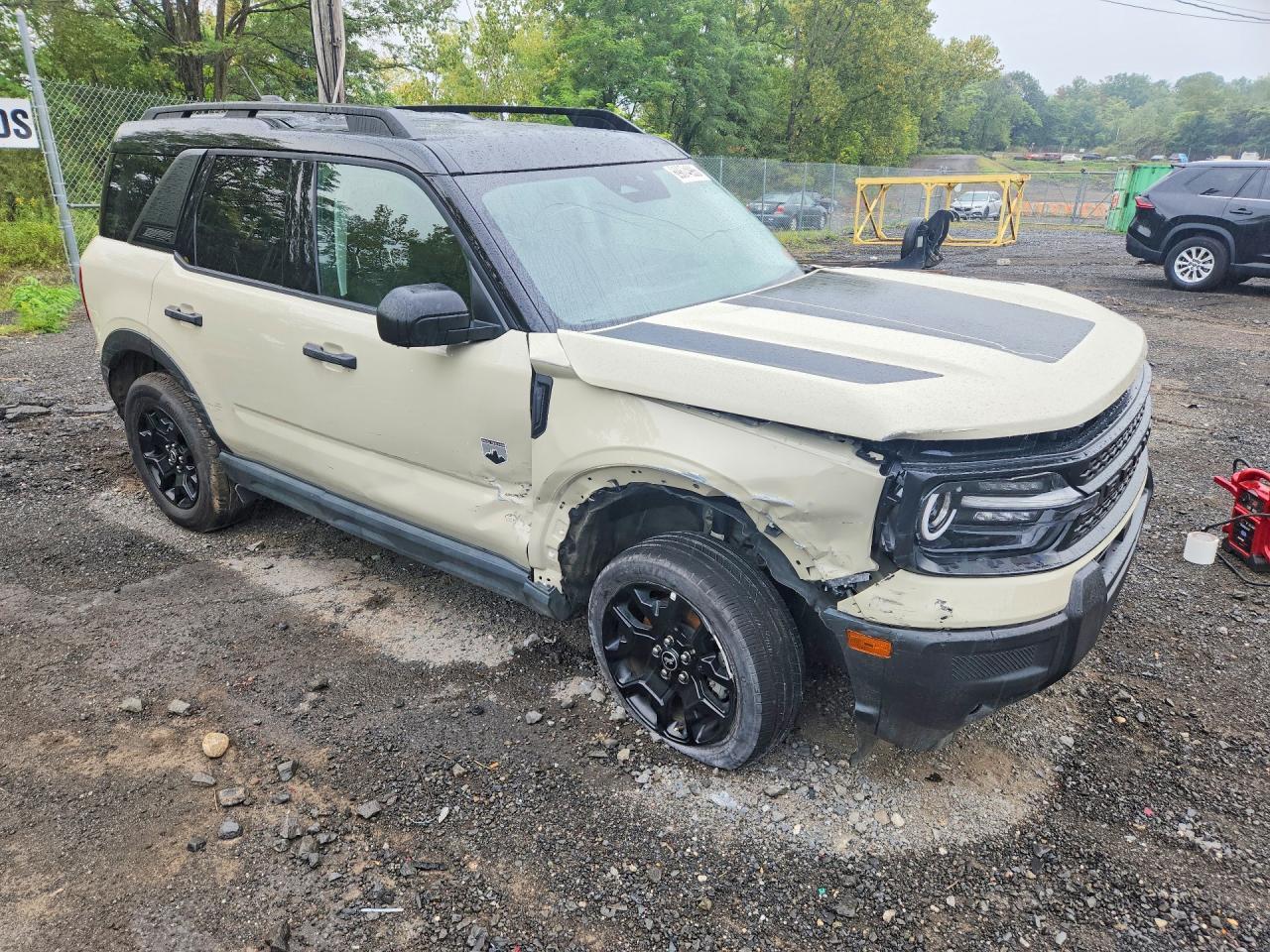
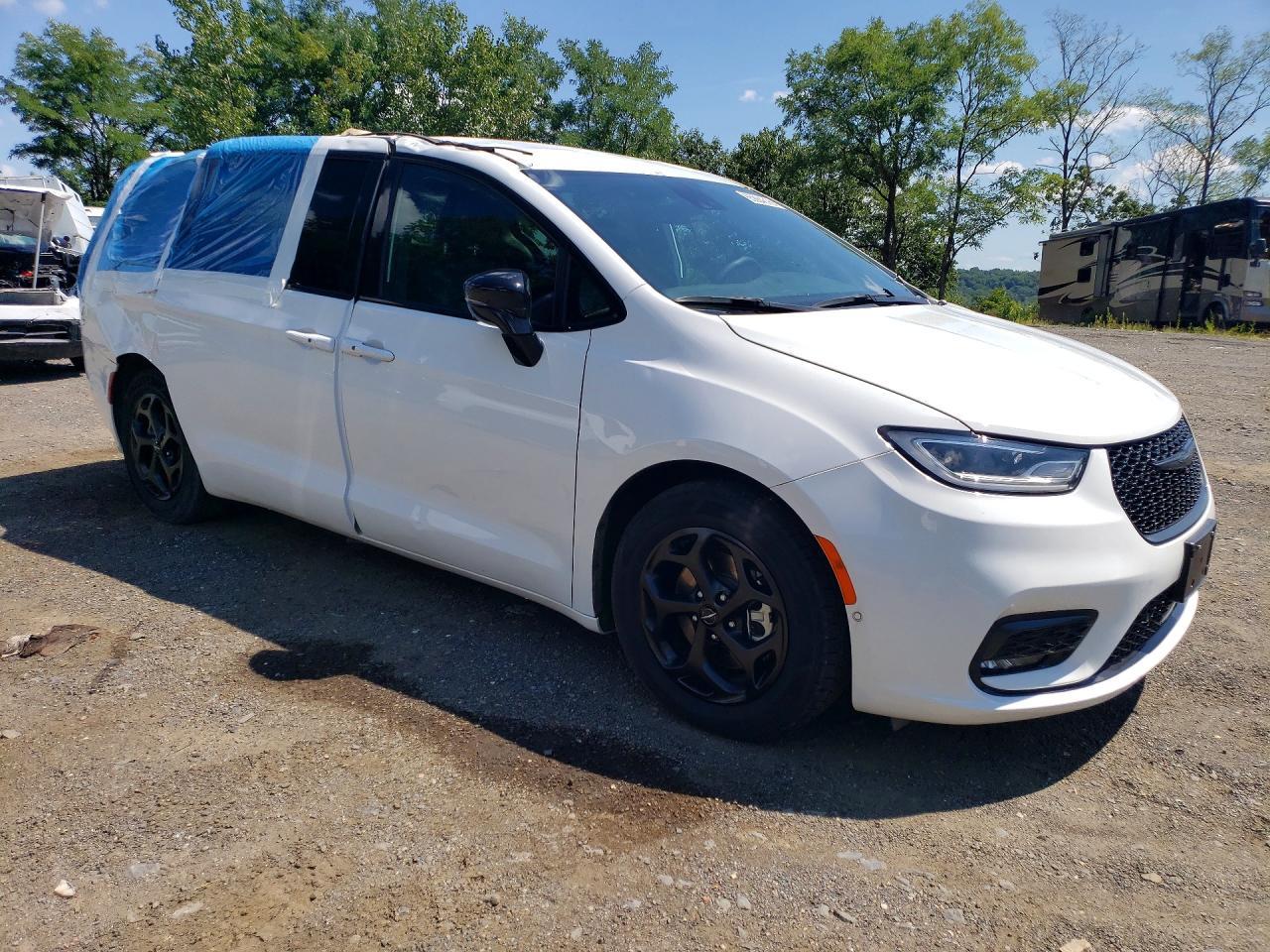
If you are considering purchasing a repairable vehicle, browse our salvage car inventory to see currently available vehicles.
Salvage title laws are different in every state and can affect how a vehicle is repaired, inspected, titled, registered, and transferred. Requirements may also differ depending on the type of title or brand assigned to the vehicle, such as salvage, rebuilt, reconstructed, flood, junk, or nonrepairable. Understanding the rules before purchasing or repairing a salvage vehicle can help you determine what documents, inspections, and additional steps may be required in your state.
To learn more about common vehicle title brands and what they mean, visit our Car Titles Explained page.
Use the state resources below to research salvage title laws, rebuilt title requirements, vehicle inspections, registration procedures, forms, and other state-specific information. Because salvage and rebuilt vehicle requirements can vary significantly from one state to another, buyers should review the rules for the state where the vehicle will ultimately be titled and registered.
The links below include state DMV, motor vehicle agency, law enforcement, inspection, and other government resources where available. If you have questions about a vehicle offered by BidGoDrive, call us at (201) 378-3121 or visit our Frequently Asked Questions page.
Last updated: Sept 29, 2026.
State laws and DMV requirements may change.
No. A vehicle with a salvage title generally cannot be legally driven on public roads until it has been repaired, passes any required state inspections, and is issued a rebuilt or reconstructed title. Salvage title laws and inspection requirements vary by state, so always check your state DMV requirements before repairing or registering the vehicle.
Buying a salvage car can be worth it if the purchase price and repair costs are significantly lower than the value of a comparable vehicle with a clean title. Before buying, review the vehicle damage, estimate repair costs, understand your state's salvage title and rebuilt title requirements, and consider insurance and resale value. A salvage vehicle can offer substantial savings, but buyers should understand the condition and total cost of putting the vehicle back on the road.
Salvage vehicle inspection requirements vary by state. Many states require a repaired salvage vehicle to pass a special salvage or rebuilt vehicle inspection before it can receive a rebuilt title and be registered for road use. The inspection may include verification of repairs, vehicle identification numbers, major replacement parts, receipts, and safety equipment. Check the specific salvage title laws for your state before beginning repairs.
A salvage title is typically issued after an insurance company or state determines that a vehicle has been significantly damaged or declared a total loss. A vehicle with a salvage title usually cannot be registered for normal road use. A rebuilt title, sometimes called a reconstructed title, is issued after the salvage vehicle has been repaired and has completed the inspection or documentation process required by the state. Once approved, the vehicle may generally be registered and driven legally, subject to state requirements.
In most states, a vehicle with an active salvage title cannot be registered for normal road use. The vehicle usually must first be repaired, inspected, and converted to a rebuilt or reconstructed title. Registration requirements vary by state, so review your state's specific salvage vehicle rules before purchasing or repairing the vehicle.
Yes, many insurance companies will insure vehicles with rebuilt titles, although available coverage can vary. Liability coverage is often easier to obtain than comprehensive or collision coverage. Insurance companies may also require photographs, inspections, repair documentation, or additional information about the vehicle before providing coverage.
The process varies by state, but generally the vehicle must be repaired and then submitted for a state-required salvage or rebuilt vehicle inspection. Owners may need to provide the salvage title, repair receipts, documentation for replacement parts, photographs, identification, and applicable forms and fees. After the vehicle meets the state's requirements, a rebuilt or reconstructed title may be issued.
Yes. A vehicle with a rebuilt title will generally have a lower market value than a comparable vehicle with a clean title because of its prior damage history. The amount of the difference depends on factors such as the vehicle, type of damage, quality of repairs, mileage, documentation, and market demand.
BidGoDrive does not guarantee the accuracy or reliability of the information provided in these links. They are purely for informational purposes and should be used with caution and your own judgment. Each state linked here is responsible for keeping their information up to date on their official websites.